
Introduction
Early vision screening helps spot eye problems before they get worse. It is a simple check-up for your eyes. Many people wonder about the benefits of early vision screening. In fact, early eye exams can catch issues that may not show symptoms at first. Because of this, early vision screening is important for everyone. When you find problems early, you can treat them quickly. This helps protect your eyesight for years to come. Let’s explore why early vision screening matters and how it can help you.
What is Early Vision Screening?
Early vision screening is a quick test to check how well your eyes work. Usually, it is done by an eye doctor or trained nurse. For example, children often get screened at school or during regular check-ups. Adults may have screenings at clinics or during health fairs. The main goal is to find vision problems early. This way, you can get the right care before issues become serious.
Why is Early Vision Screening Important?
Early vision screening is important because many eye problems do not cause pain or clear symptoms at first. However, if left untreated, these problems can lead to vision loss. For instance, children need good vision to learn and play. Adults rely on healthy eyes for work and daily life. Therefore, regular screenings help everyone stay safe and healthy. According to the CDC, early detection can prevent half of all vision loss cases.
Common Eye Problems Detected Early
Many eye problems can be found early with vision screening. Some of the most common include:
In addition, early screening can spot signs of more serious issues, like glaucoma or cataracts.
How Early Vision Screening Works
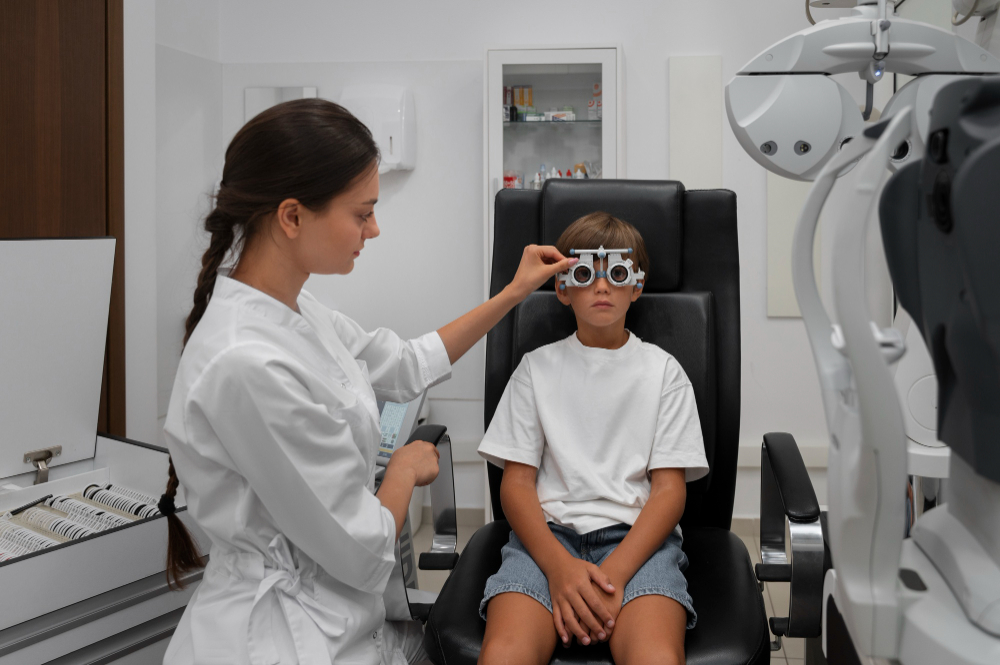
During a vision screening, you will look at letters or shapes on a chart. Sometimes, you may cover one eye at a time. The doctor may also shine a light in your eyes or use special tools. These tests are quick and painless. If the screening finds a problem, you may need a full eye exam. This helps the doctor learn more and plan the right treatment.
Who Should Get Screened and When?
Everyone should get regular vision screenings. However, some groups need them more often:
For example, if you live in a city with many eye care clinics, you can easily find vision screening in your area.
Benefits of Early Detection
There are many benefits of early vision screening. First, it helps prevent vision loss. Second, it allows for early treatment, which is often simpler and more effective. Third, it can improve learning and work performance. Also, early detection can save money by avoiding costly treatments later. Most importantly, it helps you enjoy life with clear vision.
Tips for Maintaining Eye Health
Besides regular screenings, you can protect your eyes by following these tips:
By following these steps, you can keep your eyes healthy for years to come.
Conclusion
In summary, early vision screening is a simple way to protect your eye health. It helps find problems before they become serious. Because of this, everyone should get regular screenings. Schedule a vision screening with an eye care professional to protect your sight.