
What Are Refractive Errors?
Refractive errors are common vision problems. They happen when the eye cannot focus light correctly. As a result, you may see blurry images. The main types are nearsightedness, farsightedness, and astigmatism. Sometimes, age-related changes cause presbyopia, which affects close-up vision. According to the World Health Organization (WHO), refractive errors are a leading cause of vision issues worldwide.
Why Accurate Diagnosis Matters
Getting the right diagnosis of refractive errors is important. It helps you get the right treatment, such as glasses or contact lenses. Without proper diagnosis, your vision may not improve. In some cases, untreated refractive errors can lead to headaches or eye strain. Therefore, early and accurate diagnosis can improve your quality of life.
Common Symptoms Indicating Refractive Errors
Many people do not realize they have a refractive error. However, certain signs can suggest a problem. For example, you may notice:
If you have any of these symptoms, it is wise to get an eye exam for blurry vision.
How Refractive Errors Are Diagnosed
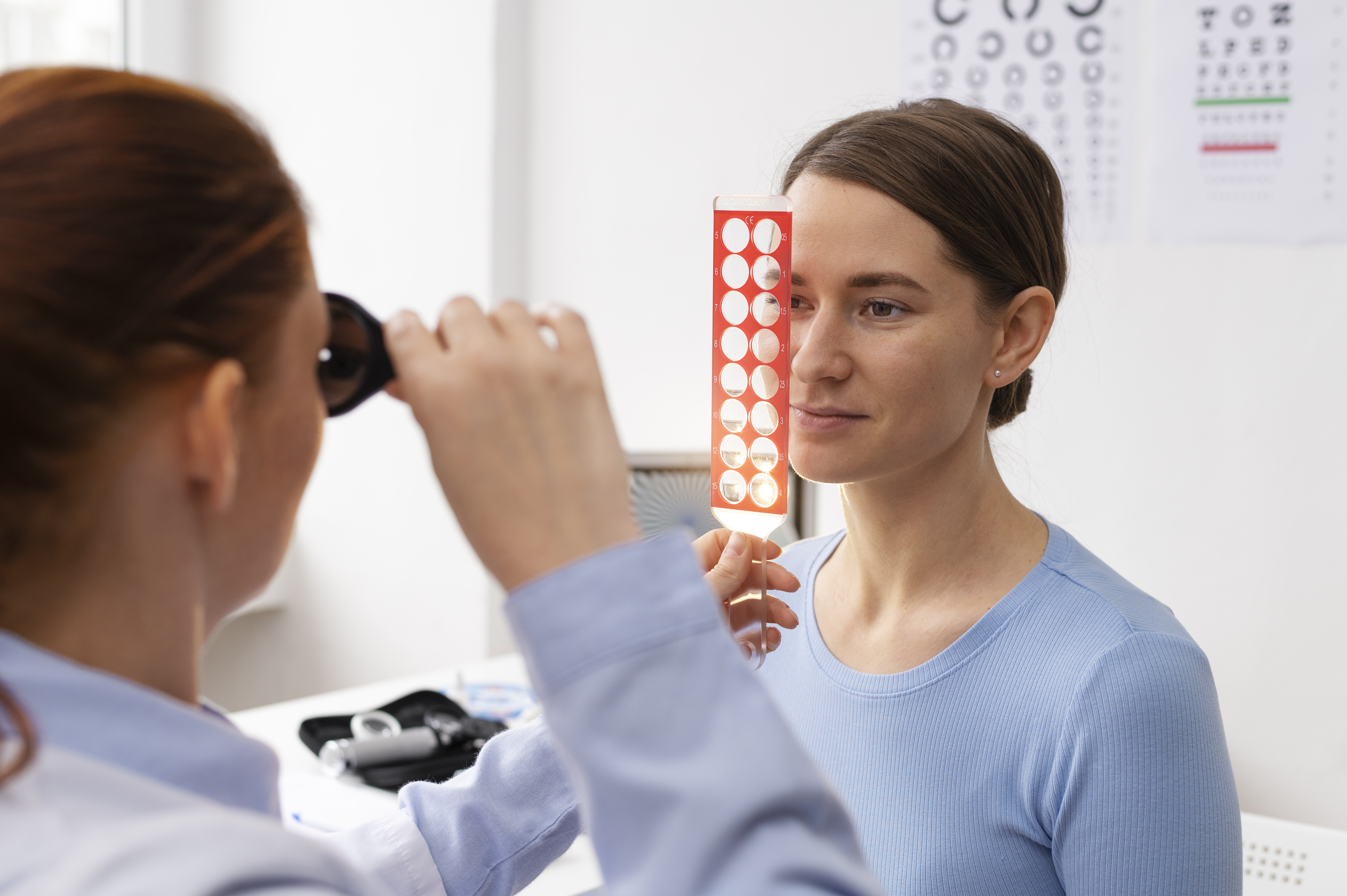
Doctors use several tests for refractive errors. First, they ask about your vision and any symptoms. Next, they perform a detailed eye exam. Here are the main steps:
Because technology has improved, some clinics now use digital devices for faster and more accurate results. According to the American Academy of Ophthalmology, these tests are safe and painless.
What to Expect During an Eye Exam
Many people feel nervous before an eye exam. However, the process is simple and comfortable. Here is what usually happens:
Most exams take less than an hour. Afterward, you will know if you need glasses or other treatment.
When to See an Eye Specialist
It is important to see an eye specialist if you notice changes in your vision. For example, if you have blurry vision, frequent headaches, or trouble seeing at night, schedule an exam. Children should have regular eye checks, too. Early diagnosis of refractive errors can prevent learning problems in school. Adults over 40 should also get regular eye exams, as vision can change with age.
Frequently Asked Questions
If you notice changes in your vision, consult an eye specialist for a personalized diagnosis and care.