
What Is Diabetic Retinopathy?
Diabetic retinopathy is a common eye problem in people with diabetes. It happens when high blood sugar damages the blood vessels in the back of the eye. Because of this, vision can become blurry or even lost over time. Living with diabetic retinopathy can affect daily life, but with the right care, you can protect your sight. According to the CDC, diabetic retinopathy is a leading cause of vision loss in adults.
Common Symptoms and Warning Signs
Early on, you may not notice any changes in your vision. However, as the disease gets worse, symptoms can appear. It is important to watch for these warning signs:
If you notice any of these symptoms, you should see an eye doctor right away. Early treatment can help prevent further damage.
Causes and Risk Factors
Diabetic retinopathy is caused by high blood sugar over time. This damages the tiny blood vessels in the retina. But, several factors can raise your risk:
Because these risks add up, managing your health is key to slowing the disease.
How Is Diabetic Retinopathy Diagnosed?
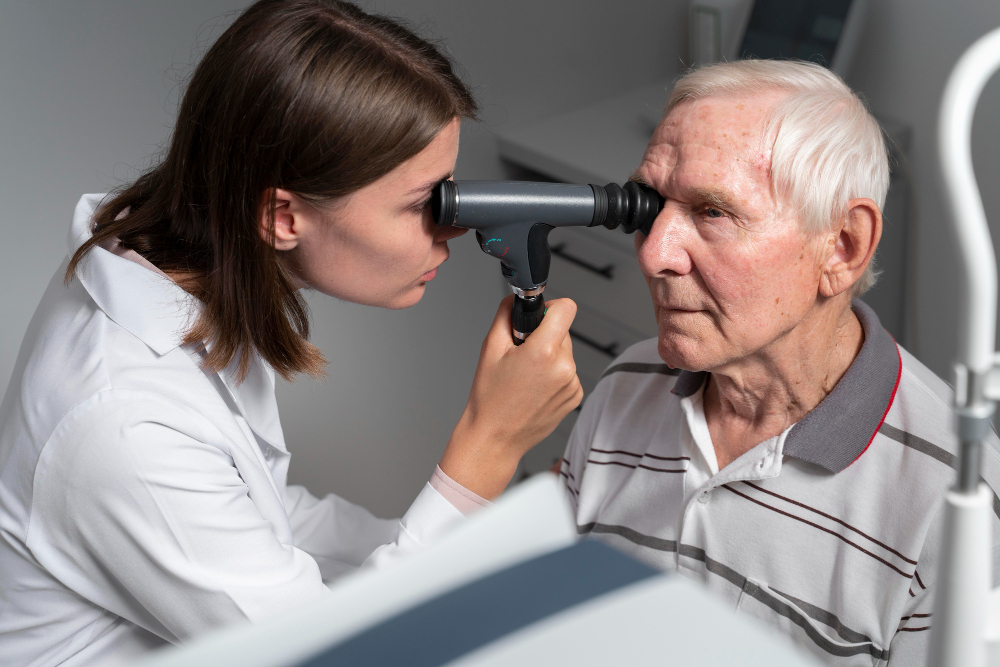
Doctors use a few simple tests to check for diabetic retinopathy. First, they will ask about your symptoms and health history. Next, they will do a full eye exam. Often, they use special drops to widen your pupils. This helps them see the back of your eye clearly. Sometimes, they may take pictures or use a scan called optical coherence tomography (OCT) to look for damage. Early diagnosis is important, so regular eye exams are needed for everyone with diabetes.
Treatment Options and Ongoing Management
There are several ways to treat diabetic retinopathy. The right choice depends on how severe the disease is. Your doctor may suggest:
Even after treatment, you will need regular check-ups. This helps catch any new problems early.
Daily Life Tips for Living with Diabetic Retinopathy
Living with diabetic retinopathy can be challenging. However, simple steps can help protect your vision and make daily life easier:
With these daily tips for diabetic retinopathy, you can stay active and independent.
Prevention Tips to Slow Disease Progression
While you cannot always prevent diabetic retinopathy, you can slow its progress. Here are some helpful steps:
Because prevention is better than cure, these steps can help you keep your eyes healthy for longer.
Emotional and Mental Health Considerations
Living with diabetic retinopathy can be stressful. You may worry about losing your vision or feel sad about changes in your daily life. But, you are not alone. Many people face these feelings. It can help to talk with family, friends, or a counselor. Joining a support group can also make a big difference. Remember, taking care of your mental health is just as important as caring for your eyes.
When to See an Eye Specialist
If you have diabetes, regular eye exams are a must. Even if you have no symptoms, early changes can happen without warning. If you notice any vision changes, see an eye specialist right away. Early care can protect your sight and improve your quality of life.
Conclusion
In summary, living with diabetic retinopathy can be managed with the right steps. By watching for symptoms, following daily tips, and working with your doctor, you can protect your vision. For personalized advice, consult your eye specialist today.