
What is Pterygium?
Pterygium is a common eye growth that appears on the white part of the eye. Often called “surfer’s eye,” it can spread toward the colored part of your eye. While it is not cancer, it may cause discomfort or vision problems. Many people who spend a lot of time outdoors, especially in sunny or windy places, are at higher risk. According to the World Health Organization, pterygium is more common in people living near the equator. Early detection helps prevent further issues.
Causes of Pterygium
Several factors can lead to pterygium. However, not everyone exposed to these risks will develop it. The main causes include:
Because UV rays are a major cause, people who work or play outside should take extra care. For example, wearing sunglasses can help reduce risk.
Symptoms of Pterygium
Many people with pterygium notice a small, raised spot on the white of their eye. Still, symptoms can vary. Common pterygium symptoms include:
Sometimes, the growth stays small and causes no problems. However, if it grows larger, it may affect your vision. In that case, you should seek medical advice.
How is Pterygium Diagnosed?
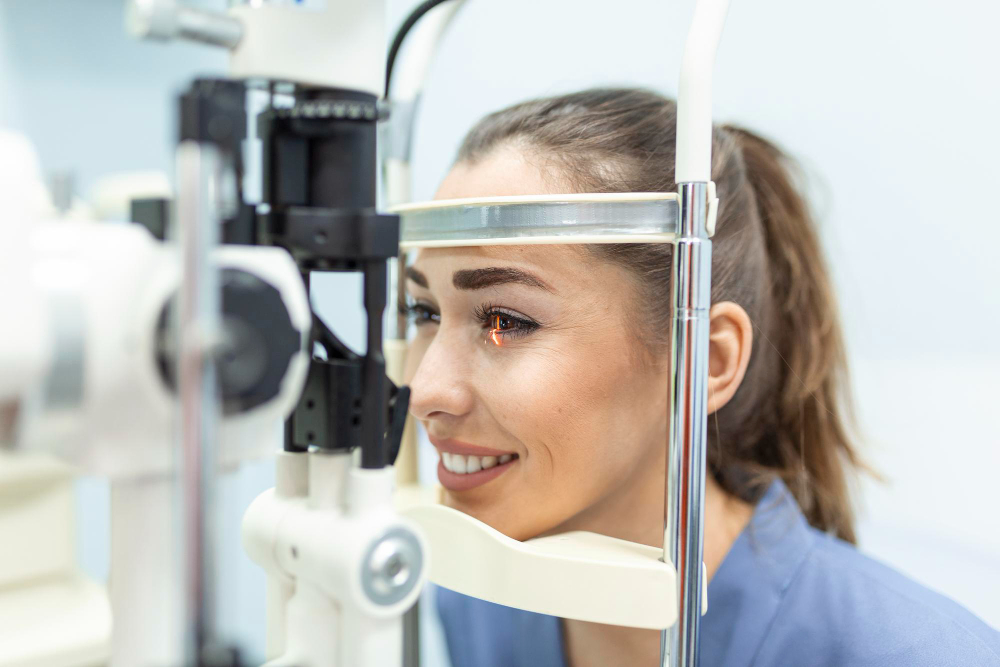
Doctors can usually diagnose pterygium with a simple eye exam. During the visit, your eye specialist will:
In some cases, your doctor may use special tools to take a closer look. Rarely, they may suggest more tests to rule out other eye problems. Early diagnosis helps guide the best pterygium treatment.
Treatment Options for Pterygium
Treatment for pterygium depends on its size and symptoms. For mild cases, you may not need any treatment. However, if you have discomfort or vision changes, your doctor may suggest:
If the growth becomes large or affects your vision, surgery may be needed. Surgery removes the pterygium and helps restore clear sight. According to the American Academy of Ophthalmology, surgery is safe and effective for most people. Still, pterygium can return after surgery, so follow-up care is important.
Prevention Tips for Pterygium
While you cannot always prevent pterygium, you can lower your risk. Try these tips for preventing pterygium:
Because prevention is easier than treatment, these steps can help protect your eyes. Especially if you live in a sunny climate, daily eye care matters.
When to See an Eye Specialist
If you notice any new growth, redness, or changes in your vision, see an eye specialist. Early care can prevent problems from getting worse. For example, if you have pterygium symptoms that do not improve, or if your vision becomes blurry, do not wait. Your doctor can recommend the best pterygium treatment for your needs.
If you notice any symptoms of pterygium, consult an eye specialist for personalized advice.