
Introduction
Night blindness, also called nyctalopia, is a condition where people have trouble seeing in low light or darkness. For many, this means driving at night or moving in dim rooms becomes hard. Because night blindness can affect safety and daily life, it is important to know its causes, symptoms, and treatment options. Early awareness helps prevent accidents and supports better eye health.
What is Night Blindness?
Night blindness is not a disease itself. Instead, it is a symptom of an underlying eye problem. People with night blindness find it difficult to see clearly when light is low. For example, walking outside after sunset or entering a dark movie theater can be challenging. Although some people are born with this condition, others develop it later in life. Night blindness can affect people of all ages.
Common Symptoms of Night Blindness
Recognizing the signs of night blindness is important. Early detection can help prevent further vision loss. Common symptoms include:
However, not everyone will have all these symptoms. If you notice any of them, it is wise to seek medical advice.
Causes of Night Blindness
There are several reasons why someone may develop night blindness. Some common causes include:
Because many causes are treatable, early diagnosis is important.
How Night Blindness is Diagnosed
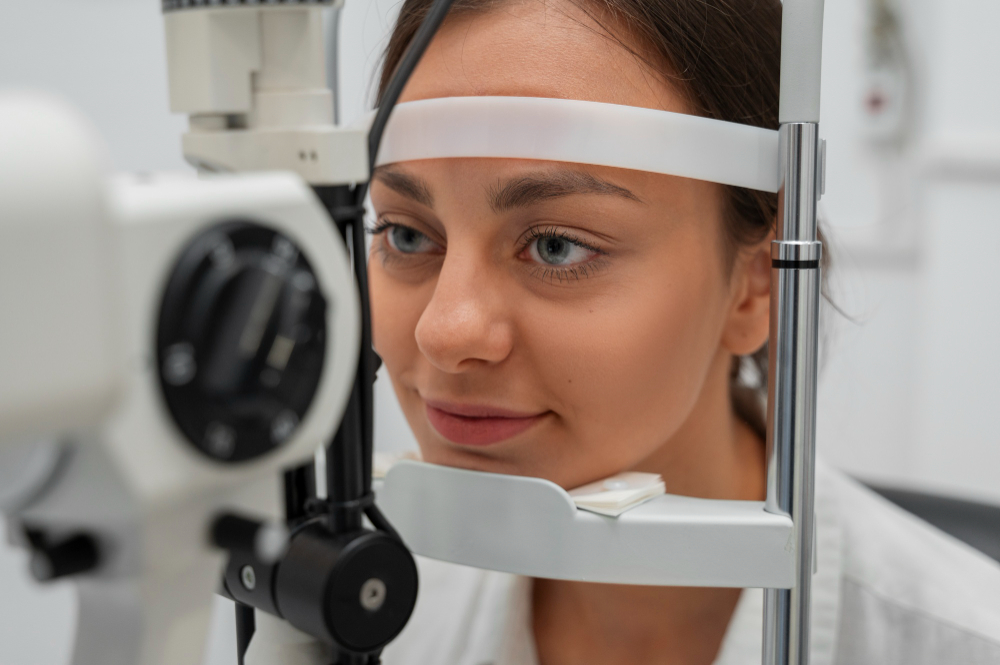
Doctors use several steps to find out if you have night blindness. First, they ask about your symptoms and medical history. Next, they perform a complete eye exam. This may include:
Sometimes, further tests are needed if a genetic cause is suspected. Early diagnosis helps guide the best treatment plan.
Treatment Options for Night Blindness
Treatment for night blindness depends on its cause. Some options include:
However, some genetic causes, like retinitis pigmentosa, may not have a cure. In these cases, support and vision aids are important.
Tips for Living with Night Blindness
Living with night blindness can be challenging. Still, there are ways to make daily life safer and easier:
With these tips, you can reduce risks and stay independent.
Prevention and Eye Health
Although not all types of night blindness can be prevented, you can take steps to protect your eyes:
Good eye care habits can help maintain healthy vision for years to come.
If you experience symptoms of night blindness, consult an eye specialist for personalized advice.